19 August 2026
Inside football medicine: West Ham United and Sporting CP
 Dr Asif HazariGuest Contributor7 min read
When I first became interested in sport and exercise medicine (SEM), I was particularly drawn to football medicine. As a medical student who played football, the idea of combining medicine with a sport I had spent years playing was an obvious attraction.
My five-week placement at West Ham United's academy and subsequent elective at Sporting Clube de Portugal allowed me to see professional football medicine in two very different environments. West Ham showed me the medical care and long-term development of young players within an English academy, while Sporting CP gave me greater exposure to clinical SEM, rehabilitation, ultrasound and performance technology within a major European club.
The two experiences were different, but together they changed my understanding of what football medicine actually involves.
Starting at West Ham
My first real exposure to professional football medicine came through a five-week placement with West Ham United's academy.
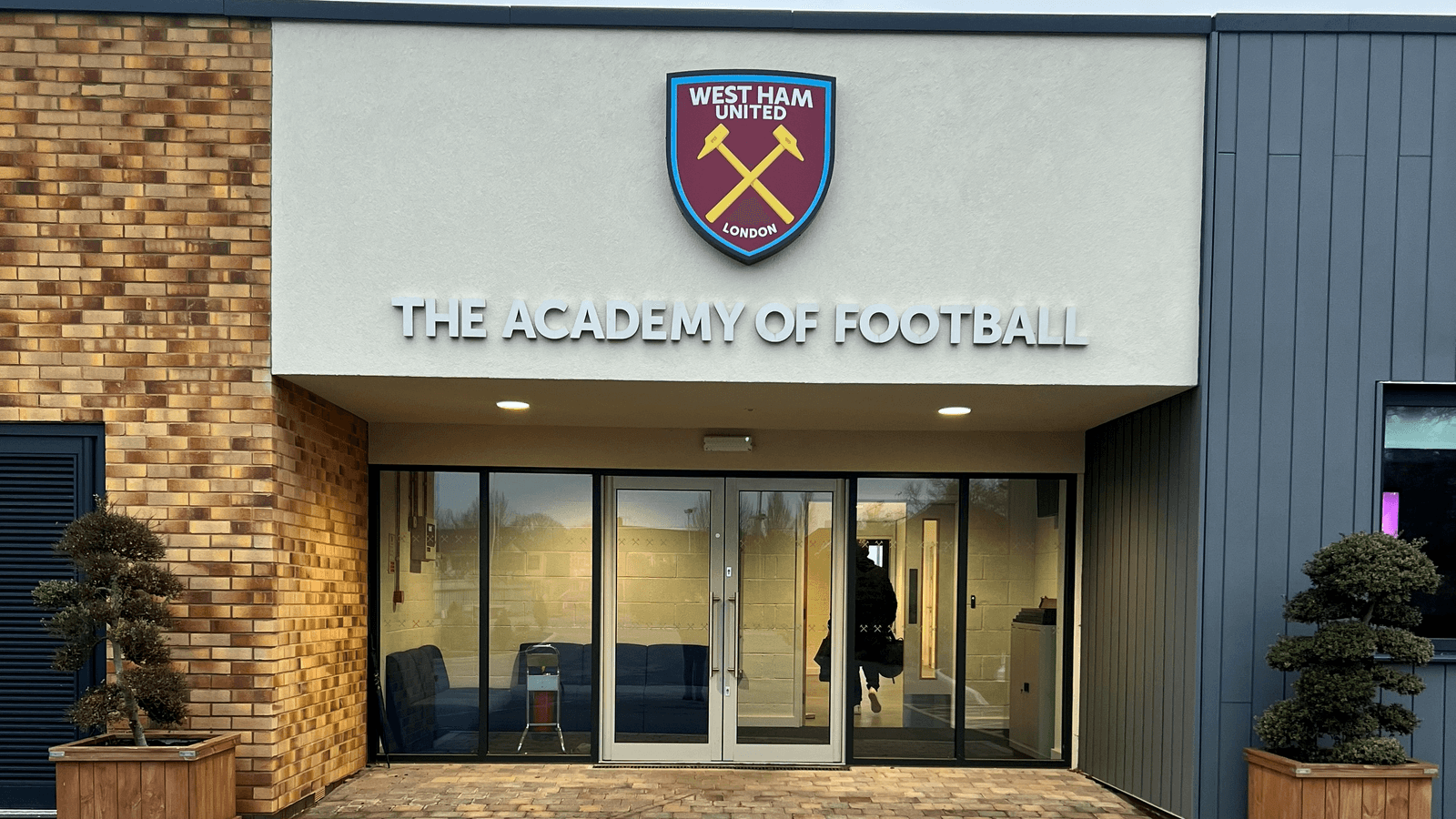
The academy environment immediately challenged some of my assumptions about football medicine. It is easy to think of sports medicine as being primarily about getting an injured player back for the next match. At academy level, the focus is much broader.
These are young athletes who are still developing physically, technically and psychologically. Decisions about training, injury and rehabilitation therefore have to consider not just the next fixture, but the player's longer-term development.
I saw how closely the medical team worked with the wider academy staff. Doctors, physiotherapists, strength and conditioning coaches and coaches all brought different perspectives to the same player. As a student, one of the most valuable things I could do was observe how these perspectives were brought together.
It also made me appreciate how much of football medicine happens away from matchday.
Rehabilitation was a major part of what I observed. At medical school, it is easy to focus on the diagnosis: what is injured, what structure is involved and what treatment is required? In professional sport, the diagnosis is often just the starting point.
The more difficult question is: what does this particular player need to be able to perform their sport again?
Returning to normal daily activity is very different from returning to repeated sprinting, rapid changes of direction and competitive football. Rehabilitation therefore has to progressively expose the athlete to the physical and technical demands they will face when they return.
That was one of my first real insights into the difference between treating an injury and managing an athlete.
Seeing a different model at Sporting CP
My elective at Sporting CP in Lisbon allowed me to see professional football medicine from a different perspective.
I spent time within the club's SEM clinic and observed aspects of clinical assessment, rehabilitation and the wider medical infrastructure supporting the players. I also had exposure to ultrasound and saw how it can be incorporated into the assessment of athletes when used appropriately by clinicians with the necessary expertise.
This was particularly interesting because it connected concepts I had encountered in medical school with their practical application in elite sport.
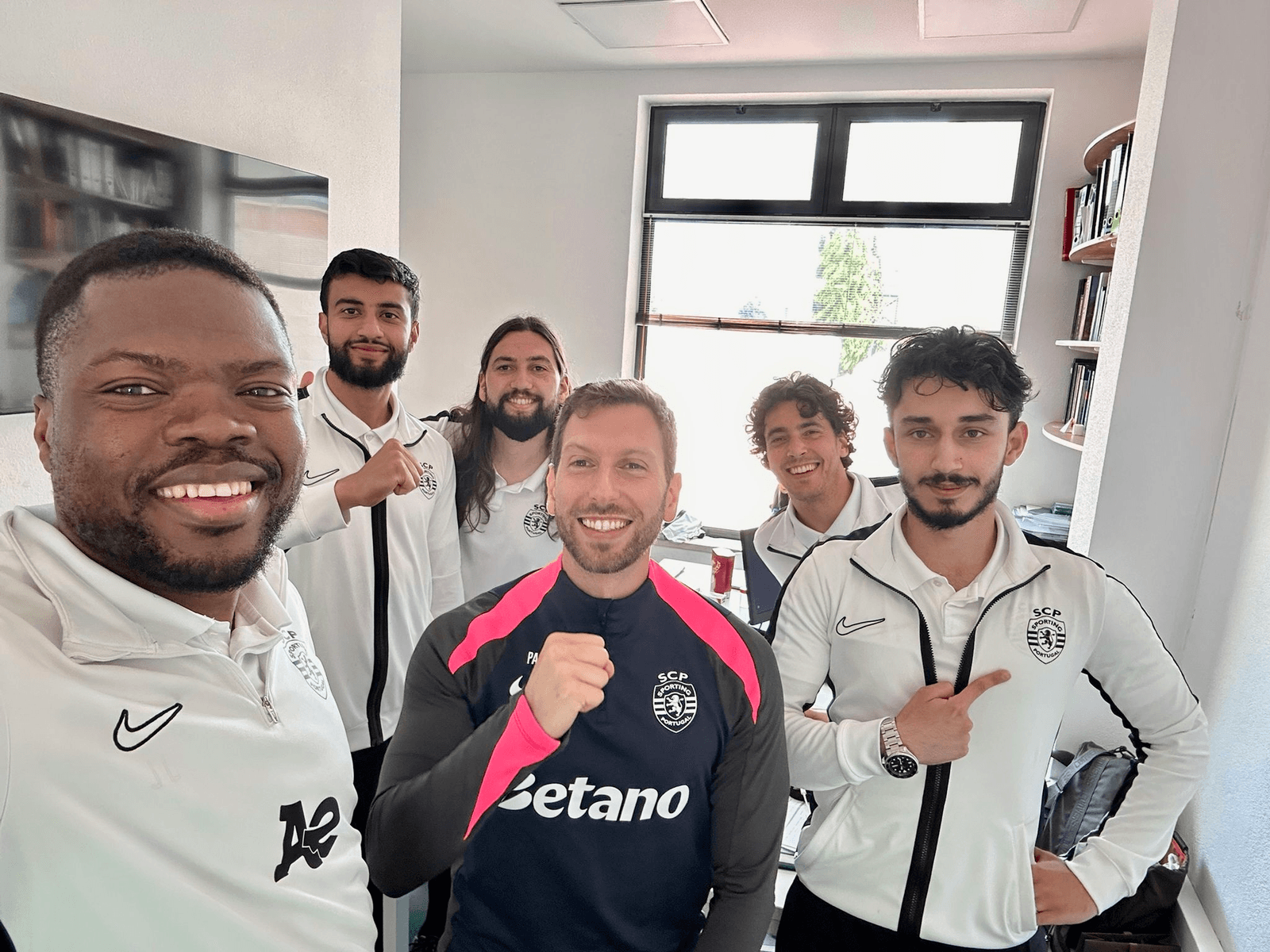
I also saw how closely the medical and performance teams worked together. A player's rehabilitation was not simply a medical process. Physiotherapists, doctors, strength and conditioning staff and sports scientists all contributed to the process.
That multidisciplinary approach was one of the strongest similarities between Sporting CP and West Ham.
The language and structures may differ between clubs and countries, but the underlying principle is the same: no single professional has all the information needed to optimise an athlete's care.
The player is more than their injury
One of the biggest lessons I took away from both experiences was that an athlete cannot be reduced to their diagnosis.
Take a hamstring injury. The question is not simply whether the hamstring has healed. You need to understand why the injury occurred, what the player's current physical capacity is, how they are responding to rehabilitation and whether they can tolerate the demands of football again.
A player might be pain-free but not yet ready for full training. Equally, the presence of some symptoms does not necessarily mean that an athlete cannot participate in a carefully controlled stage of rehabilitation.
Return to play is therefore a process rather than a single decision.
What I found particularly interesting was how different sources of information could be brought together. Clinical examination, rehabilitation progress, player feedback, physical testing and training exposure can all contribute to the overall picture.
As a medical student, this made me appreciate that SEM requires you to think beyond the diagnosis and consider the athlete in the context of their sport.
Where technology comes in
Sporting CP also gave me greater exposure to the role of technology and performance data in modern football.
I had the opportunity to see how GPS tracking can be used to monitor the demands being placed on players. This was something I had not fully appreciated before entering a professional sporting environment.
Football medicine is not just about responding to injuries once they happen. There is also an increasing emphasis on understanding what players are exposed to and how their workload changes over time.
GPS data can provide information about factors such as distance covered and high-speed running. This can be considered alongside clinical status, training history and subjective feedback.
But one of the important lessons for me was that technology does not replace clinical judgement.
A GPS system can tell you what a player did. It cannot, on its own, tell you why they did it, how they felt doing it or whether they are ready to repeat it.
That requires the wider team.
Two clubs, different environments
Having experience at both clubs made me realise that there is no single model of professional football medicine.
At West Ham, I was particularly struck by the academy environment and the importance of long-term player development. The medical team is not simply managing injuries; it is helping young athletes develop safely and sustainably.

At Sporting CP, I had greater exposure to clinical SEM, ultrasound, GPS technology and the integration of medical care with rehabilitation and performance.
The differences were valuable because they showed me how much the setting influences the work.
Academy medicine comes with considerations around growth, development and education. Professional football brings its own performance demands and pressures. Different countries and clubs will also have different structures, resources and approaches.
Yet the fundamentals remain remarkably similar: athlete-centred care, multidisciplinary working, injury prevention, rehabilitation and evidence-based decision-making.
What surprised me most
The biggest surprise was probably how little of the job is about the dramatic moments that initially attracted me to football medicine.
Pitchside medicine is undoubtedly an important part of the specialty, but it is only one component.
Much of the work involves things that are less glamorous: reviewing injuries, following rehabilitation, communicating with different members of the multidisciplinary team, monitoring progress and deciding when an athlete is ready to progress.
That is not necessarily what you picture when you think about being a football doctor.
But I think it is what makes SEM so interesting.
You are not simply treating an injury. You are trying to understand the athlete, the sport and the demands placed on them, and then bring those things together in your clinical decision-making.
What I would tell a medical student interested in football medicine
My biggest piece of advice would be not to wait for the perfect opportunity.
When I first became interested in SEM, it was easy to look at professional football medicine and think that you needed access to an elite club before you could start building experience.
You do not.
Start by getting exposure wherever you can. Get involved with your university SEM society. Attend conferences and teaching sessions. Speak to SEM doctors and physiotherapists. Look for appropriate opportunities to gain experience in sporting environments.
My own experience with St John Ambulance also showed me that exposure does not have to come from a professional club. Volunteering as a Community First Aider at high-profile matchdays at Arsenal and Chelsea gave me experience of working in sporting environments and dealing with medical incidents as part of a wider team.
You also do not need to limit yourself to football.
Professional footballers still have asthma, cardiac conditions, mental health problems and other medical issues. They still require preventive healthcare. The difference is that these problems have to be considered in the context of high-level physical performance.
That is why a strong general medical foundation remains so important.
What I took away from West Ham and Sporting CP
Looking back, the biggest value of having both experiences was not learning which club had the better approach.
It was seeing that there are different ways of delivering high-level sports medicine.
West Ham gave me insight into academy medicine, player development and rehabilitation within a young athlete's longer-term progression. Sporting CP gave me further exposure to clinical SEM, ultrasound, GPS technology and the integration of medical care with performance and rehabilitation.
Before these placements, I was attracted to football medicine because I enjoyed sport and medicine. Afterwards, I had a much better appreciation of the medicine behind the sport.
That is probably the biggest lesson I would give to anyone considering SEM.
You do not need to know exactly what your eventual career will look like. You do not need to start with a professional football club on your CV.
Start by getting exposure. Watch how the team works. Ask questions. Understand the medicine. Learn from the doctors, physiotherapists, strength and conditioning coaches and sports scientists around you.
You might find that it is the football that attracts you to SEM in the first place. But it is the medicine that makes you stay.